
// Development and placemaking: how to deliver new neighbourhoods that work

By Ben Stephenson, BAS Consultancy
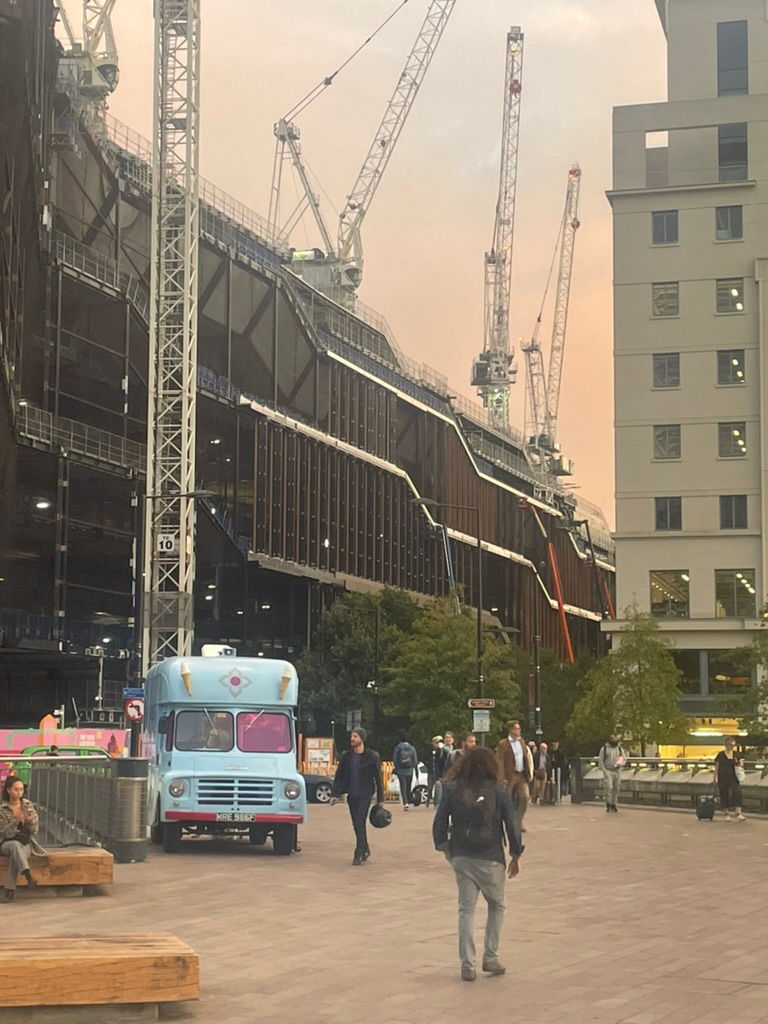
This article is the latest in a series of blogs by BAS Consultancy, which works with councils, developers, communities and business groups to develop best practice in placemaking.
When we talk about building new neighbourhoods, the conversation often centres on numbers: how many homes, how many jobs, how much tax revenue. But the most successful regeneration projects understand something more fundamental: places are not built, they are grown.
True placemaking requires developers to shift their mindset from constructing buildings and the spaces in between them to cultivating belonging.
Recent research confirms what urban designers have long known: too many new developments fail because they prioritise volume over quality of life[1]. A 2020 housing design audit for England found that the majority of new housing developments score as "mediocre" or "poor," with particularly damaging consequences for less affluent communities[2].
The problem isn't technical‚ it's philosophical. Developers, understandably focused on planning requirements, often fail to ask the deeper questions about why people will want to live somewhere, what binds a community together, and how public spaces can become places where life actually happens.
If you're developing a new neighbourhood and genuinely want it to thrive, here's what you need to think about.
1. Articulating your Place Vision
Start with a clear vision‚ not just a plan.
Before breaking ground, you need to answer a deceptively simple question: what is the broad vision for this development as a place?
This isn't your masterplan. It's not your marketing copy, it's your philosophy. What are you trying to create? Are you building a cultural hub? A neighbourhood that hums with local entrepreneurship? A sanctuary for families? A haven for artists? A sustainable pioneer project?
Bristol's Temple Quarter development, one of the region's most ambitious placemaking projects, demonstrates this principle. Rather than leading with housing numbers, the vision document explicitly frames Temple Quarter around five guiding principles, articulating ‘why’ the place matters: sustainable and inclusive growth, nature restoration, cultural celebration, and community-focused development[3]. Everything else flows from this clarity.
Define your place brand values
Your neighbourhood should have an identity and a personality. What values underpin this development? What makes it different from the generic suburban estate or interchangeable business district?
These brand values might include:
Authenticity - does the development reflect genuine local character and heritage rather than imposed ‘placemaking theatre’?
Inclusivity - will this be a place where different ages, abilities, incomes, and identities all feel welcome? How can this be achieved without ‘blandification’?
Sustainability - is the neighbourhood designed for long-term resilience, or is it built for quick returns?
Creativity and culture - will the place nurture local talent, independent businesses, and creative expression?
Connection - how will this neighbourhood relate to surrounding areas? Does it integrate or isolate?
When values such as these are genuinely embedded‚ not just in marketing materials but in actual design, governance, and management decisions‚ they become self-evident.
Offer a mix of uses and activities
A neighbourhood isn't a single-use zone. The death of many developments is that they are designed only for working hours, only for one demographic, only for one type of activity. Ask yourself: what uses and activities will provide a holistic offer for tenants, residents, workers, and visitors?
This means thinking beyond the obvious:
Residential - not just housing, but a genuine mix of tenures (rental, owner-occupied, affordable, market-rate), types (family homes, studios, co-housing), and sizes.
Employment - diverse jobs and sectors that reflect both existing local economic strengths, emerging opportunities and employment clusters that are created within the development itself
Culture and creativity - studios, galleries, performance spaces, places for community gathering and celebration. Draw from the surrounding area to offer a permanent home to a cultural anchor
Food - independent cafes, restaurants, markets, community kitchens‚ places where people linger, not just consume
Nature and green space - accessible parks, gardens, allotments, water and natural areas where people can slow down and breathe
Services - childcare, healthcare, education, libraries‚ transport - the infrastructure that makes life actually work
Leisure and play - not just for children, but spaces designed for different ages and abilities to relax, exercise, and enjoy themselves
The most vibrant neighbourhoods feel like ecosystems, not assemblies of separate functions.

2. Activation: making places where life actually happens
Design public space for social connection
In recent years, there has been a tendency to ‘design out’ antisocial behaviour or spatial conflict, which can lead to sterile, soulless places. But a beautifully designed plaza that no one uses is not a success. The measure of a public space is whether it actually activates‚ whether people choose to spend time there, connect with each other, and feel ownership over it.
So how can the development's public spaces be activated to encourage social connection, dwell, spend and culture? This requires intentional thinking with the community. Things to consider:
Physical activation
Seating and gathering spots - designing for lingering, not just passing through. Varied seating (benches, steps, informal perches) that invite different activities
Ground-floor activation - retail, cafes, studios with windows that engage the street. No blank walls or loading docks facing public space
Flexible spaces - areas that can host markets, performances, temporary installations, outdoor dining, and spaces that can transform and surprise, including from day to night
Accessibility - spaces designed for people with disabilities, parents with pushchairs, older people, children - genuinely inclusive design.
Programming and culture
A deliberate and locally authentic culture strategy - what cultural activities will make this place distinctive? Regular markets? Live music? Art installations? Community festivals? Theatre productions?
Local programming - feature local artists, musicians, food producers, and creators. This embeds authenticity, local flavour and builds pride
Seasonal variation - ensure the space works year-round. What happens in winter? How is the space animated in darker months?
Late-night activation - social, cultural, and hospitality options beyond the 9-to-5 economy. Does the neighbourhood work at night, or has it been designed to shut down at 6pm? Does the place feel safe for everyone after dark?
Embed local governance and agency
The English Devolution and Community Empowerment Bill contains provisions which seek to create neighbourhood level governance. Although the detail is yet to be worked out on this, what we do know is that successful neighbourhoods are not top-down - they embed mechanisms through which residents and workers can influence decisions about their place, solve problems collectively, and feel genuine agency.
Are there local governance mechanisms that can be tapped into‚ or new ones that can be created‚ to give people a sense of agency about their place?
This might include:
Community-led bodies, town teams, BIDs and place partnerships that go beyond basic compliance to actively manage the place
Community funds that residents can allocate‚ giving them real decision-making power about how the neighbourhood evolves
Co-design processes that involve residents in decisions about management, events, and future changes
Transparent communication channels so people know what's happening and can raise concerns
Current research emphasises this approach's power: community engagement is no longer a box-ticking exercise but a fundamental design principle. Places where local people shape decisions are more sustainable and prosperous, better-maintained, and genuinely liveable[4].
Design for everyone‚ especially those often excluded from public life
Is the development inclusive? Are physical, psychological and social characteristics such as dementia, neurodivergence, gender, sexuality, and disability considered? Do all people feel welcome in the space?
This requires moving beyond our standard, legal compliance version of ‘access’ - a ramp here, a disabled toilet there - to genuinely inclusive design. Think about:
Physical accessibility
Routes and areas that work for people with mobility difficulties, parents with buggies, people using wheelchairs
Spaces that are well-lit, have seating, and provide shelter
Spaces designed for caregiving (pushchairs, feeding areas, changing facilities) in a way that makes it visible and publicly valued
Public toilets
Psychological accessibility
Safety (actual and perceived). Both crime prevention and spaces that don't feel threatening or surveillance-heavy
Spaces designed to be wayfinding-friendly, not confusing
Sensory considerations: quiet zones for people with sensory processing needs, good sightlines, spaces that aren't overwhelming
Spaces that don't feel designed only for young, able-bodied people
Social accessibility
Affordability - can people on ordinary incomes actually use cafes, shops, and services? Do people have to buy something to enjoy the space?
Spaces that support different life experiences: parents with young children, young people, older people, people working irregular hours
Visibility of diverse people and cultures‚ through artwork, businesses, events, wayfinding technology and heritage
Gender accessibility
Spaces that are co-designed with women and girls for social benefit as well as security
Facilities and activities that serve different needs, rather than catering only for the nuclear family

3. Embedding your neighbourhood in the wider context
The most successful developments stitch themselves into existing economic ecosystems, local communities, and city-wide systems. This provides newcomers with a sense of local identity, access to opportunity and social connection.
Understand the economic context
What other uses will surround the development and how will they collaborate to create a sustainable, liveable, connected, prosperous neighbourhood?
This requires developers to exercise respect for the place they are joining, as well as commercial sense. It’s not building an island; it’s adding to an existing system. Some things to think about:
What sectors are already strong locally? What does the regional industrial strategy say about the sectors that are emerging or supported?
What skills and employment gaps exist that your development could help fill?
What complementary uses already exist nearby that you can reinforce?
Where are the natural connections‚ transport nodes, universities, cultural institutions, employment centres?
A development with an effective economic development strategy that turns its back on the surrounding economy is missing half the opportunity.
Hire and procure locally
Does the development hire and procure from local employment markets, cultural producers and businesses to embrace the local context?
This is where placemaking becomes economically meaningful. When businesses in your development actively source from local suppliers, employ local people, and feature local creators, several things happen:
Money circulates through the local economy rather than flowing to distant corporations
Local people have jobs and income‚ the foundation for stable communities
The neighbourhood feels distinctly connected to place, not generic
Residents see themselves in the businesses around them and are more inclined to support them due to their emotional connection
This requires developers to build relationships with local suppliers, create skill-share programmes, and develop ethical, neighbourhood-level procurement practices.
Reflect and connect local sectors
How will existing and emerging sectors be represented in the development and how will they fit with the existing community?
Places have distinctive economic strengths - food and drink, creative and digital industries, academic research, green technology, independent retail and culture, marine industries, visitor economy. New developments should amplify these strengths, rather than dilute them.
For example:
A development near universities might include research incubation space, postgraduate housing, and cafes designed for knowledge-sharing
In food-centric areas, invest in commercial kitchen space, food halls, and markets where local producers can operate affordably
Near creative clusters, provide studio space, meanwhile and gallery space, and affordable workspace
Address displacement and loss
What uses are displaced or lost through the development and how can these either be accommodated into the new site or supported to thrive elsewhere?
This is where genuine placemaking differs from predatory development. When you build a neighbourhood, you may displace existing businesses, communities, uses, or informal economies. Responsible developers don't ignore this; they actively manage it.
This might mean:
Affordable workspace built into the development specifically to house existing independent businesses at accessible rents
Relocation support for businesses affected by construction or change
Community benefit agreements that ensure local employment, contracting and services
Heritage preservation where existing cultural or social institutions should be maintained
Understanding informal economies and infrastructure: food traders, repair shops, community gathering spaces and people that matter greatly to the area.
The most sophisticated developers engage directly with affected communities well before development begins, not as an afterthought. This requires uncomfortable conversations and sometimes sacrificing a degree of profitability, but it's the difference between building a place and displacing a community. It may also reduce the likelihood of local objection at planning stage.

4. A shifting landscape: what 2026 demands
As we move through 2026, several critical contexts are shaping placemaking in new towns and new neighbourhoods:
Climate resilience and nature
Although a planning requirement, not every development truly encourages nature and biodiversity. This is no longer optional or decorative. Neighbourhoods designed with nature‚ green infrastructure, restored waterways, urban forests, rain gardens, street trees‚ are more resilient, healthier, and significantly more valued[5].
Think systemically:
Green space isn't just parks and it’s not only grass - it's integrated throughout‚ green roofs, living walls, bioswales, community gardens
Water management is active (rain gardens, restored streams, SUDS) not just grey infrastructure
Biodiversity is monitored and improved, not assumed
Nature is woven through the neighbourhood in small moments, not just preserved in one park
Adapting to change
Will the development accommodate shifts in consumer behaviour, working practices and technology use?
The post-pandemic world has permanently changed how people work, shop, socialise, and move. Developments locked into pre-2020 assumptions will rapidly feel obsolete. Design flexibility into your spaces in the following ways:
Flexible ground floor uses that can shift between retail, office, cafe, studio
Co-working spaces woven through the neighbourhood, not isolated
Last-mile delivery solutions that don't create congestion
Community spaces that can host different activities (not single-purpose venues)
Robust Wi-Fi and digital infrastructure without sacrificing face-to-face connection
Preparation for self-driving vehicles and accommodations for electric cars
Crime reduction and safety without sacrificing vitality
Will the development discourage crime and antisocial behaviour without compromising liveability?
This is a genuine tension. Spaces designed to eliminate all risk with gates, barriers and surveillance‚ often end up isolating and excluding. The answer isn't permissiveness; it's designing for natural surveillance, activation, proportionate management and sense of community.
Well-lit, visibly-maintained spaces discourage crime better than fortress-like barriers
Community presence and activation is the strongest deterrent - people protect places they feel ownership over, and that are overlooked
Clear, well-maintained spaces signal care and community investment
Sight lines and transparency are more effective than walls
5. The bottom line: placemaking is long-term thinking
Most development economics operate on short timescales: planning, building, selling, exit. Placemaking requires a different mental model. You're creating a place that will exist for decades, inhabited by people you'll never meet, solving problems you can't yet anticipate.
This demands:
Involvement of genuine design expertise, not just volume housebuilders' default templates. Local Design Panels with specialists should review major developments[6].
Real community engagement from the start, not consultation theatre. Early, ongoing dialogue that shapes fundamental decisions, not just veneers.
Long-term stewardship and management. Places need active management, seasonal programming, infrastructure maintenance, and adaptive evolution. Budget accordingly.
Integration with local context. Understand the existing economy, community, culture, and ecology. This will determine how incomers are viewed by residents in surrounding areas. Complement and enhance, don't dominate or isolate.
Clarity about values. Why does this place exist? What is it for? What will make it distinctive and worth caring about?
The research is clear: developments that prioritise placemaking over mere construction perform better economically, create more resilient communities, attract investment, and deliver genuine quality of life to the end user[7]. The real question is whether you, as a developer, genuinely believe this‚ or whether you see placemaking as an optional extra, something to add marketing copy around.
The difference is visible everywhere you look. In every city, you can feel the places that were designed with care, community, and long-term vision. And you can feel the places that were simply built. The people living in them certainly do.

---
References
[1] Bright, J., & Goodstadt, V. (2025). Placemaking: how do we design better homes and neighbourhoods? InLogov, January 2025. https://inlogov.com/2025/01/06/placemaking-how-do-we-design-better-homes-and-neighbourhoods/
[2] Carmona, M. (2020). A housing design audit for England. UK Government Department for Levelling Up, Housing and Communities.
[3] University of Bristol & Temple Quarter. (2024). Bristol Temple Quarter: A Vision For Place. October 2024 update.
[4] Sensory Trust. (n.d.). Inclusive community engagement guide. Creating and managing places that can be used and enjoyed by local people.
[5] Urban Land Institute. (2025). 2025 Placemaking and Environmental Responsibility Trends: Sustainability and resource efficiency. Urban Land, January 2025. https://urbanland.uli.org/resilience-and-sustainability/2025-placemaking-and-environmental-responsibility-trends
[6] Bright, J., & Goodstadt, V. (2025). Delivering Design Value: Improving housing design through enhanced planning practice. InLogov & DCMS.
[7] Steelcase. (2025). How to create community through inclusive design. Steelcase Research, August 2025. https://www.steelcase.com/eu-en/research/articles/topics/design/how-to-create-community-through-inclusive-design/
[8] Project for Public Spaces. (2023). What is Placemaking? Project for Public Spaces, accessed 2025. https://www.pps.org/article/what-is-placemaking
[9] Nature Scotland. (2025). Placemaking and Green Infrastructure. https://www.nature.scot/professional-advice/placemaking-and-green-infrastructure



Environmental design supports natural surveillance through security unarmed open sightlines and strategic placement of common areas.
CustomizationFeatures allow tailored dashboards and lottery winner financial advice reports, adapting systems to individual needs, improving relevance.
Alignment begins at the roof edge, how to fasten corrugated roofing setting the first sheet square. A straight starting line determines overall accuracy.